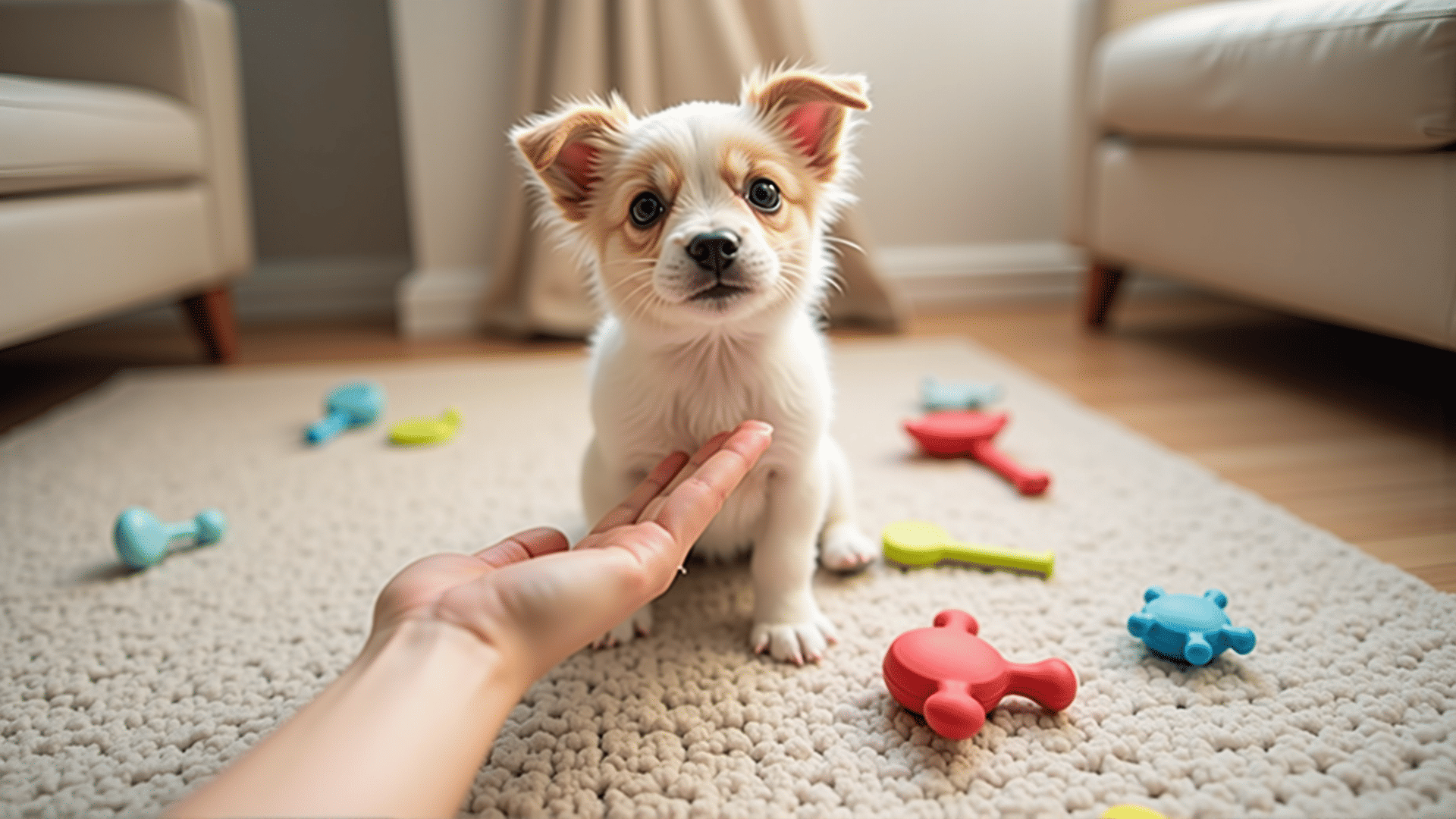
Welcoming a new puppy into your home is a delightful experience filled with joy and excitement. However, it also brings along its own set of challenges as puppies exhibit certain behaviors that require attention and patience. Understanding how to address these issues early on can help foster a strong, harmonious bond between you and your furry friend.
Chewing:
Chewing is a natural behavior for puppies. It aids in teething and helps them explore their environment. However, it can be problematic if your puppy starts chewing on furniture, shoes, or other household items. To address this, provide a variety of chew toys that are safe and suitable for their age and development. Rotate toys to keep your puppy engaged and interested.
Moreover, puppy-proofing your home is essential. Keep valuables and harmful objects out of reach. If you catch your puppy chewing on something inappropriate, gently redirect them to a toy. Consistency is key; praise them when they chew on the right items to reinforce good behavior.
Barking:
Barking comes naturally to dogs as a form of communication, but excessive barking can become an issue. It’s crucial to determine the reasons behind your puppy’s barking. Common triggers include boredom, fear, the need for attention, or responding to noises.
Provide ample physical exercise and mental stimulation to alleviate boredom-induced barking. Socialization is also important; expose your puppy to different environments, people, and other dogs to reduce fear-based barking. If your puppy barks for attention, avoid giving in immediately. Instead, reward quiet behavior to teach them that staying calm is more beneficial.
For environmental noises, identify and manage triggers. Sometimes, creating a quiet and safe space with comfortable bedding and toys can help mitigate stress-related barking.
House Training:
House training is one of the primary challenges for new puppy owners. The key is to establish a routine. Set consistent feeding times and take your puppy out frequently, especially after meals, playtime, and naps. Choose a spot outdoors where you want them to relieve themselves and consistently guide them there.
Praise and reward your puppy immediately after they eliminate outside. This reinforces the idea that outdoor bathroom breaks are positive behaviors. Be patient, as accidents are part of the process. Avoid punishment, as it can create anxiety and confusion. Instead, clean accidents thoroughly to remove scents that might attract future incidents.
General Tips:
Patience and consistency are your best allies when navigating these challenges. Puppies are learning constantly, and it takes time for them to understand what’s expected. Positive reinforcement—giving treats, praise, and affection for good behavior—buoys learning and helps build trust.
Additionally, enrolling in a puppy training class can provide guidance and socialization opportunities. These classes teach foundational obedience skills and offer support from experienced trainers.
In summary, while puppy behavior challenges can test your patience, they are also opportunities to understand your new companion better. With the right approach, consistency, and love, you'll guide your puppy into becoming a well-behaved and cherished member of your family.