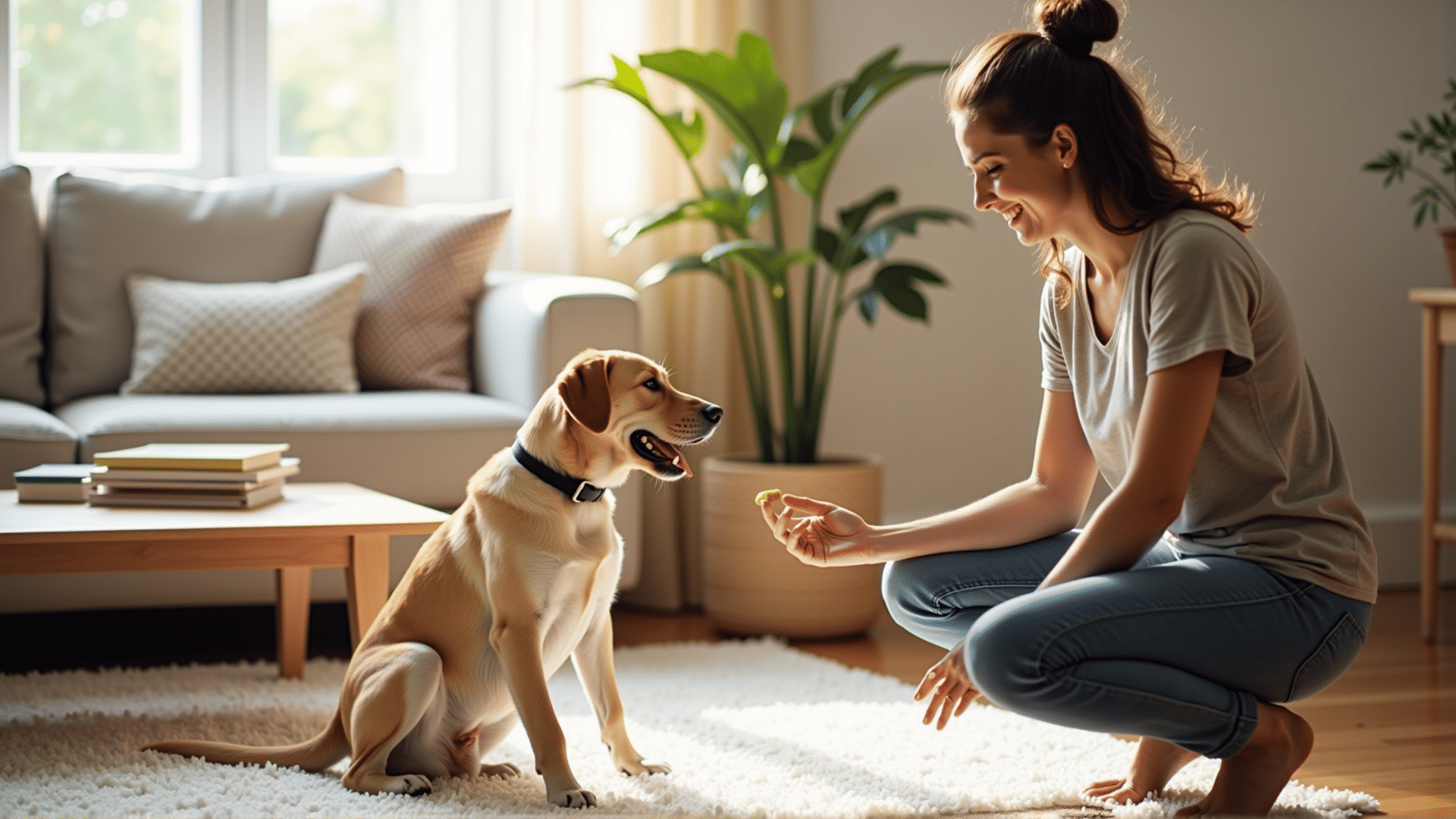
Bringing a new dog into your life promises an array of joyful moments and unconditional love. However, alongside the cuddles and playful antics, comes the responsibility of training your dog to ensure they become well-mannered members of your household. Mastering basic commands is a crucial step toward achieving this goal. In particular, teaching your dog essential commands like sit, stay, and come can significantly enhance their obedience and strengthen your bond. To achieve this effectively, using positive reinforcement techniques is not only humane but also highly effective.
Positive reinforcement is a training approach that rewards desired behavior, making it more likely that the behavior will be repeated. This method relies on core principles of rewarding good behavior with treats, praise, or play, making the learning process enjoyable for your dog. Let’s explore how you can use positive reinforcement to teach your dog these fundamental commands.
Teaching "Sit"
-
Preparation: Choose a quiet, distraction-free area to begin training. Have a pocket full of small, tasty treats ready to use as rewards.
-
Demonstration: Hold a treat close to your dog's nose, then slowly move your hand upward. This should cause your dog's head to follow the treat and their bottom to lower.
-
Command: As soon as your dog sits, say the word "sit" clearly.
-
Reinforcement: Immediately give your dog the treat and offer plenty of praise.
-
Repetition: Repeat the process multiple times in short, regular sessions. Consistency is key to helping your dog associate the word with the action.
Teaching "Stay"
-
Command Structure: Begin with your dog in the sitting position. Calmly say "stay" as you extend your hand out in front of you with your palm facing your dog.
-
Patience and Progression: Initially, just take one step back and quickly return to reward them if they stay put. Gradually increase the time before you return, and eventually increase distance.
-
Release Cue: It’s important to teach a release word such as "OK" or "release" to signal that your dog can move from the "stay" position.
-
Gradual Increase: As your dog gets better at staying, gradually increase both the time and the distance before releasing the command.
Teaching "Come"
-
Environment: Opt for a controlled environment free from distractions where your dog feels comfortable.
-
Start Close: Start with short distances. Call your dog’s name to get their attention followed by the command "come", using a happy and enthusiastic tone.
-
Reward Enthusiastically: Encourage your dog with an open body posture or gently patting your thighs.
-
Incorporate Variety: Incorporate the game of fetch or hide-and-seek to make learning more exciting. Every time they ‘come’, ensure they are met with treats and affection.
-
Consistency: Be consistent with the command and do not chase your dog if they don't respond immediately. Patience is crucial.
General Tips for Success
-
Short Sessions: Keep training sessions short and upbeat to avoid frustrating your dog.
-
Consistency: Use the same words and hand signals for each command.
-
Routine: Integrate training into your daily routine for repetition and reinforcement.
-
Patience: Remember that each dog learns at their own pace. Patience and persistence will ensure success over time.
-
Distraction Management: Gradually introduce distractions to ensure that your dog can follow commands in varying environments.
By using positive reinforcement, you are nurturing a supportive and encouraging training environment. This method helps to foster a loving relationship between you and your dog, underscoring the importance of trust in your bond. As your dog learns to master these basic commands, you are laying the foundation for more complex training in the future and solidifying their ability to be a wonderful companion who listens and responds reliably.