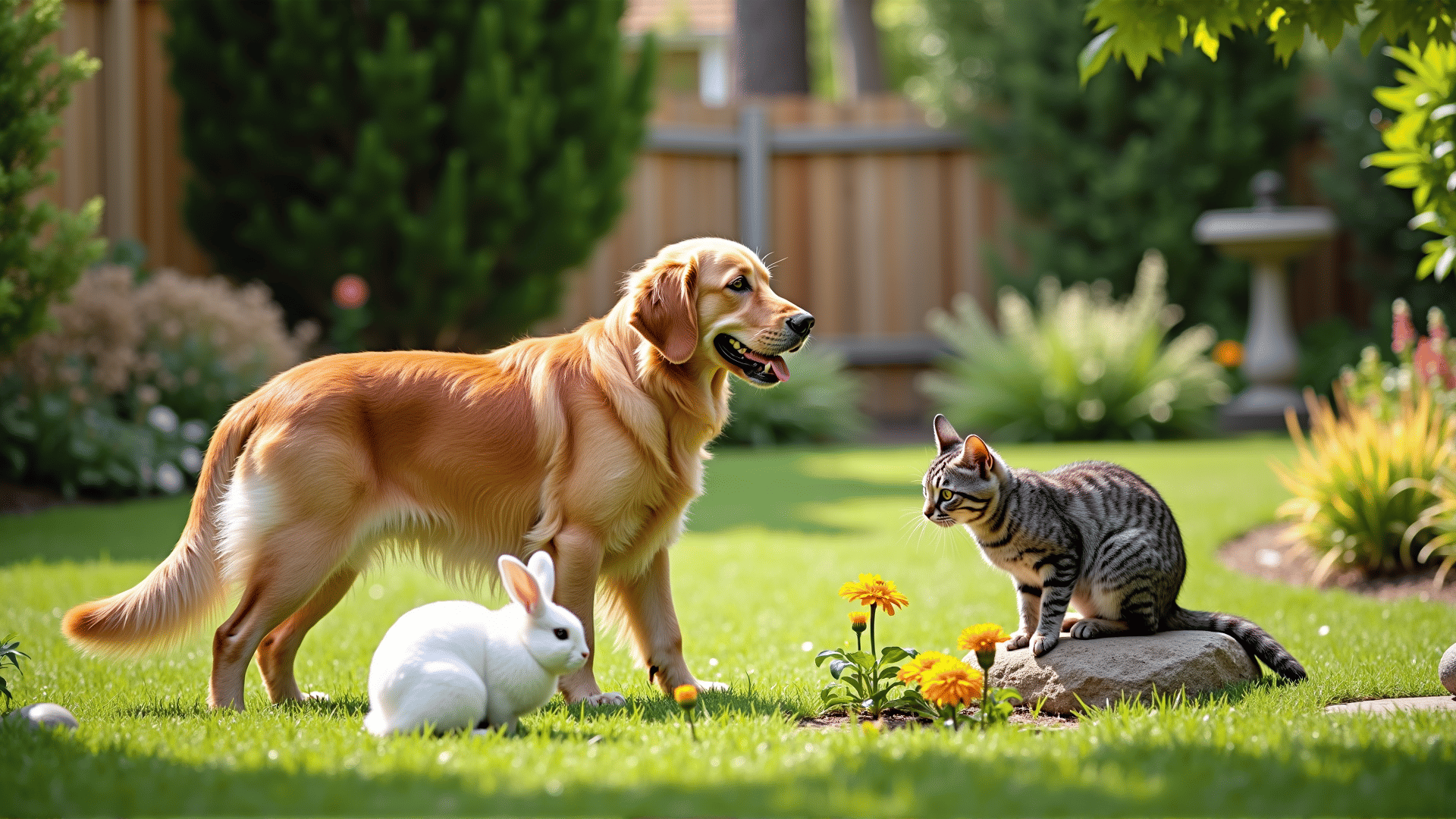
Socialization is a vital component of pet care that ensures a harmonious balance between animals and their surroundings. Whether you have a playful pup or a curious kitten, providing structured socialization experiences can significantly influence their behavior, confidence, and adaptability. Understanding the importance of this social aspect and the methods to introduce your pet to different environments and other animals safely can lead to a fulfilling and peaceful coexistence.
First and foremost, socialization is crucial for developing a well-rounded pet. It shapes their interactions with the world, teaching them how to respond to various stimuli, whether it be other animals, humans, or diverse environments. Early socialization, particularly within the first few months of life, often leads to pets that are less fearful and more adaptable. Dogs and cats that are well-socialized are typically more confident, less stressed, and less prone to anxiety-related behaviors, such as incessant barking, destructive chewing, or inappropriate elimination.
In addition to behavioral benefits, socialization significantly impacts a pet's mental health. Animals, like humans, are social creatures, and isolation can lead to loneliness, which may manifest as depression or anxiety. Regular exposure to different settings and beings can keep their mind sharp, satisfy their curiosity, and provide essential mental stimulation. Involving them in diverse experiences such as walks in the park, car rides, and meeting other pets or people can keep them engaged and even prevent certain health issues related to stress and inactivity.
When introducing pets to new environments and other animals, safety and patience are paramount. Start with gradual exposure, ensuring the experiences remain positive and non-threatening. For instance, if introducing a dog to other dogs, consider a neutral space like a park. Keep initial encounters brief and closely monitor body language to prevent conflicts. Rewarding positive interactions with treats or praise can help reinforce good behavior.
For indoor pets like cats, focus on creating a safe exploration space. Carefully introduce them to new rooms, items, or even a secure outdoor area, like an enclosed yard. In cases of introducing a new pet to a household with existing animals, gradual introductions are essential. Start by exchanging scents using bedding or toys before allowing face-to-face meetings. This pre-exposure to each other's scent can help in reducing initial anxiety or territorial aggression.
Another crucial aspect of socialization is exposure to routine activities such as grooming, veterinary visits, and travel. Acclimating your pet to being handled or being in a carrier can minimize stress during these necessary procedures. Short, frequent practice sessions, combined with positive reinforcement, can ease their acceptance of these activities over time.
Ultimately, the goal of socialization is to build a foundation of trust and understanding between you and your pet and between them and their environment. By investing time in their social development, you boost their confidence and enrich their lives and yours, creating a bond built on companionship and mutual respect. Socialization ensures not only a more robust relationship but also a healthier and happier life for your pet. Through careful planning and commitment, you can guide your pet toward becoming a friendly, adaptable, and well-behaved member of your community.